Preventing Falls Among Elderly Residents: A Complete Guide to Senior Care Services in Madurai
Falls are one of the most common health risks faced by older adults and can have serious consequences on their physical health, independence, and overall quality of life. As people age, factors such as reduced mobility, weakened muscles, vision problems, and chronic health conditions can increase the likelihood of falls. Preventing falls is therefore a critical aspect of senior care and healthy aging.
For families seeking professional senior care services in Madurai, understanding fall prevention strategies can help protect elderly loved ones and ensure they continue to live safely and comfortably.
Why Fall Prevention Is Important for Seniors
Falls can result in injuries ranging from minor bruises to serious fractures and head trauma. In many cases, a fall can lead to hospitalization, reduced mobility, and a loss of confidence that affects a senior’s ability to perform daily activities independently.
Preventing falls helps seniors:
- Maintain independence
- Avoid injuries and hospitalizations
- Preserve mobility and physical function
- Improve confidence in daily activities
- Enhance overall quality of life
A proactive approach to fall prevention is essential for long-term health and well-being.
Common Causes of Falls in Older Adults
Understanding the factors that contribute to falls is the first step in reducing risk.
Muscle Weakness and Balance Issues
As people age, muscle strength naturally declines. Reduced strength and poor balance can make walking and standing more challenging, increasing the risk of falls.
Vision and Hearing Problems
Difficulty seeing obstacles or changes in floor surfaces can lead to accidents. Hearing impairments may also affect balance and spatial awareness.
Chronic Health Conditions
Certain medical conditions can contribute to fall risk, including:
- Arthritis
- Diabetes
- Parkinson’s disease
- Stroke-related complications
- Heart conditions
- Osteoporosis
Proper management of these conditions is important for maintaining stability and mobility.
Medication Side Effects
Some medications may cause dizziness, drowsiness, low blood pressure, or balance problems. Seniors taking multiple medications may face a higher risk of falls.
Environmental Hazards
Unsafe living environments often contribute to accidents. Common hazards include:
- Slippery floors
- Poor lighting
- Loose rugs
- Uneven surfaces
- Cluttered walkways
- Lack of handrails
Creating a safe environment significantly reduces fall risks.
Warning Signs of Increased Fall Risk
Families and caregivers should be aware of indicators that a senior may be at greater risk of falling:
- Difficulty walking
- Frequent stumbling
- Unsteadiness while standing
- Dizziness
- Muscle weakness
- Fear of falling
- Recent history of falls
Early intervention can help address these issues before an accident occurs.
The Role of Exercise in Fall Prevention
Regular physical activity is one of the most effective ways to reduce fall risk among seniors.
Strength Training
Strengthening leg and core muscles improves stability and supports safe movement.
Balance Exercises
Activities that improve balance help seniors maintain better control while walking and standing.
Flexibility Training
Stretching exercises enhance joint mobility and reduce stiffness, making movement easier and safer.
Physiotherapy Programs
Professional physiotherapy can help seniors recover strength, improve coordination, and regain confidence after illness or injury.
Importance of Regular Health Checkups
Routine medical assessments play a vital role in preventing falls. Healthcare professionals can identify health conditions that may affect balance, mobility, or vision.
Regular checkups may include:
- Vision examinations
- Hearing assessments
- Blood pressure monitoring
- Medication reviews
- Mobility evaluations
Early detection and treatment of health concerns help minimize fall risks.
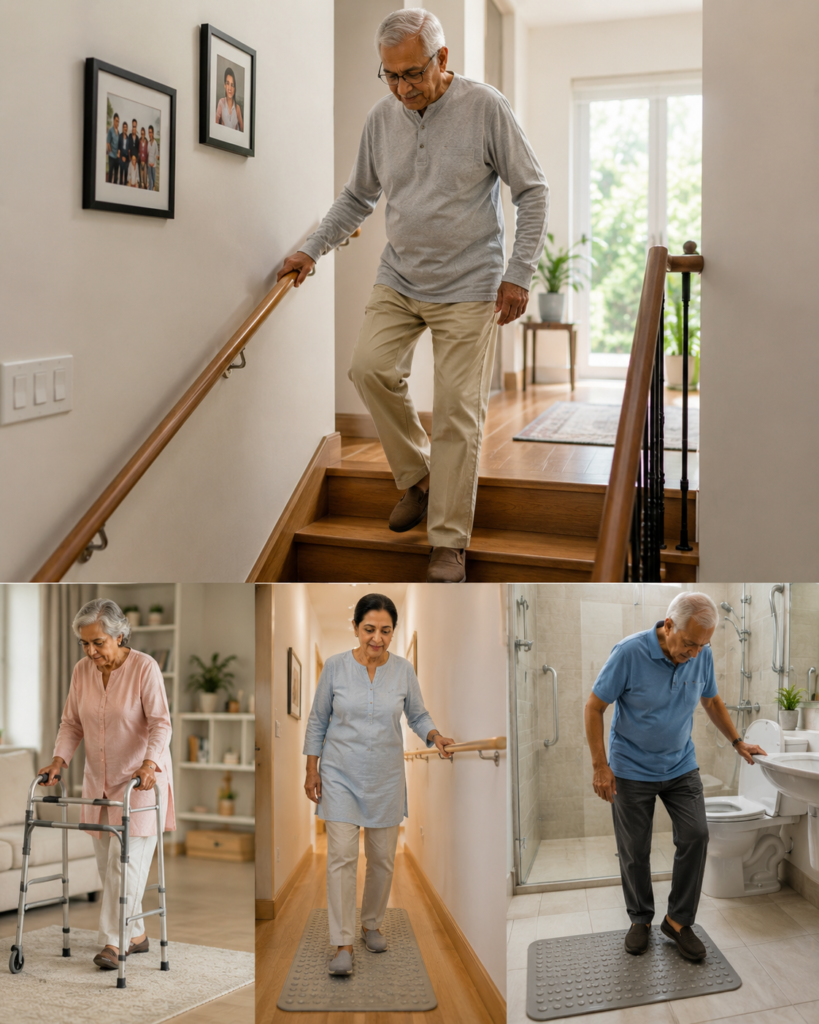
Creating a Safe Living Environment
Making simple modifications to the home or care facility can significantly improve safety.
Improve Lighting
Well-lit hallways, staircases, and bathrooms help seniors see potential hazards clearly.
Remove Tripping Hazards
Eliminating loose rugs, electrical cords, and clutter reduces the likelihood of accidents.
Install Safety Equipment
Helpful safety features include:
- Handrails on stairways
- Grab bars in bathrooms
- Non-slip flooring
- Shower chairs
- Raised toilet seats
These modifications provide additional support and stability.
Ensure Proper Footwear
Comfortable, non-slip shoes help seniors maintain balance and prevent slipping.
Nutrition and Bone Health
Good nutrition contributes to stronger muscles and bones, which can reduce the severity of injuries if a fall occurs.
Important nutrients include:
- Calcium
- Vitamin D
- Protein
- Magnesium
A balanced diet supports overall physical health and mobility.
Addressing the Fear of Falling
After experiencing a fall, many seniors develop a fear of falling again. This fear can lead to reduced activity levels, muscle weakness, and increased isolation.
Encouraging safe physical activity, providing emotional support, and building confidence through rehabilitation programs can help seniors overcome these concerns.
How Senior Care Services in Madurai Help Prevent Falls
Professional senior care services in Madurai prioritize fall prevention as a key component of elderly care. Comprehensive programs often include:
Personalized Risk Assessments
Care providers evaluate each senior’s mobility, health status, and living environment to identify potential risks.
Mobility Assistance
Trained caregivers provide support during walking, transfers, and daily activities.
Physiotherapy and Rehabilitation
Specialized exercise and rehabilitation programs help seniors improve strength, balance, and coordination.
Health Monitoring
Regular assessments allow caregivers to identify changes in physical condition that may increase fall risk.
Safe Living Environments
Professional care facilities are designed with safety features that reduce hazards and promote independence.
Benefits of Professional Fall Prevention Programs
Comprehensive fall prevention strategies provide numerous benefits:
- Reduced risk of injury
- Improved confidence and independence
- Enhanced mobility
- Better physical health
- Greater peace of mind for families
- Improved quality of life
These benefits contribute to healthier and safer aging experiences.
Choosing Senior Care Services in Madurai for Fall Prevention
When selecting senior care services in Madurai, families should look for providers that offer:
- Mobility support programs
- Regular health assessments
- Physiotherapy services
- Safe and accessible environments
- Personalized care plans
- Trained and experienced caregivers
A strong focus on fall prevention helps ensure seniors receive the highest standard of care.
Conclusion
Preventing falls among elderly residents is essential for maintaining health, independence, and overall well-being. Through regular exercise, proper medical care, environmental modifications, and professional support, seniors can significantly reduce their risk of falls and enjoy a safer lifestyle.
For families seeking trusted senior care services in Madurai, choosing a provider that prioritizes fall prevention can make a meaningful difference in the lives of their loved ones. Comprehensive senior care not only addresses immediate safety concerns but also promotes long-term health, confidence, and quality of life.