Emergency Medical Support in Elder Care Homes: Complete Guide to Senior Care Services in Madurai
As seniors age, they become more vulnerable to medical emergencies due to chronic illnesses, reduced mobility, cognitive disorders, and age-related health conditions. In elder care homes, having access to immediate emergency medical support can make a significant difference in protecting residents’ health, safety, and well-being. Quick response times and professional healthcare intervention are essential for managing unexpected medical situations and preventing serious complications.
For families exploring senior care services in Madurai, understanding the role of emergency medical support in elder care homes can help them choose the right facility for their loved ones.
What Is Emergency Medical Support in Elder Care Homes?
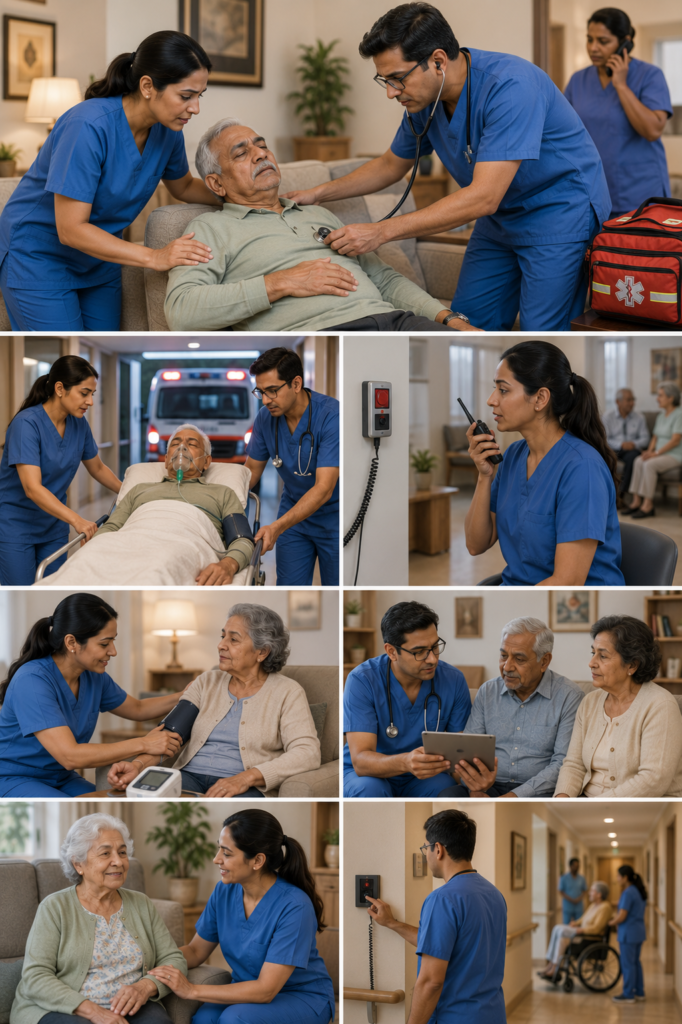
Emergency medical support refers to the immediate healthcare assistance provided when a resident experiences a sudden illness, injury, or medical crisis. Elder care homes equipped with emergency response systems and trained healthcare professionals can quickly assess situations and provide appropriate care.
Emergency support services may include:
- Immediate medical assessment
- First aid and stabilization
- Emergency medication administration
- Coordination with hospitals and physicians
- Ambulance arrangements
- Continuous health monitoring
- Post-emergency care management
These services help ensure that seniors receive prompt treatment when every minute matters.
Why Emergency Medical Support Is Essential for Seniors
Older adults are more likely to experience health emergencies due to existing medical conditions and physical vulnerabilities.
Common emergencies among seniors include:
- Heart attacks
- Strokes
- Falls and fractures
- Breathing difficulties
- Diabetic emergencies
- Severe infections
- Sudden blood pressure changes
- Medication reactions
Immediate medical attention can reduce complications and improve recovery outcomes.
Common Medical Emergencies in Elder Care Homes
Falls and Injuries
Falls are one of the most common causes of injury among elderly individuals.
Potential consequences include:
- Fractures
- Head injuries
- Joint damage
- Reduced mobility
Emergency medical support ensures rapid assessment and treatment following a fall.
Cardiac Emergencies
Heart-related conditions are common among seniors.
Emergency response teams are trained to recognize symptoms such as:
- Chest pain
- Irregular heartbeat
- Shortness of breath
- Sudden weakness
Prompt action can significantly improve survival and recovery rates.
Stroke Management
A stroke requires immediate medical intervention.
Warning signs may include:
- Facial drooping
- Difficulty speaking
- Sudden confusion
- Weakness on one side of the body
Quick recognition and emergency care can help minimize long-term damage.
Respiratory Distress
Seniors with respiratory conditions may experience:
- Difficulty breathing
- Low oxygen levels
- Severe coughing episodes
- Respiratory infections
Emergency medical support helps stabilize breathing and arrange advanced treatment if necessary.
Diabetic Emergencies
Blood sugar fluctuations can become life-threatening if not addressed quickly.
Emergency care may involve:
- Blood glucose monitoring
- Immediate treatment for low blood sugar
- Medical supervision
- Hospital referral when needed
Key Components of Emergency Medical Support
24/7 Medical Monitoring
Continuous supervision allows caregivers and nurses to identify health concerns early.
Monitoring often includes:
- Vital sign checks
- Oxygen saturation monitoring
- Blood sugar assessments
- General health evaluations
Early detection can prevent many emergencies from becoming severe.
Trained Nursing Staff
Professional nurses are essential for effective emergency response.
They are trained to:
- Recognize warning signs
- Administer emergency care
- Stabilize patients
- Communicate with physicians
- Coordinate hospital transfers
Their expertise ensures seniors receive immediate and appropriate care.
Emergency Response Protocols
Well-established procedures help elder care homes respond efficiently during emergencies.
Protocols typically include:
- Immediate patient assessment
- First aid administration
- Emergency physician consultation
- Family notification
- Ambulance coordination
Clear procedures improve response times and patient outcomes.
Access to Medical Equipment
Quality elder care homes often maintain emergency medical equipment such as:
- Blood pressure monitors
- Oxygen supplies
- Glucose monitoring devices
- First aid kits
- Mobility assistance equipment
Having essential resources readily available supports effective emergency care.
Role of Nurses in Emergency Situations
Nurses are often the first healthcare professionals to respond during emergencies.
Their responsibilities include:
Rapid Assessment
Nurses evaluate symptoms and determine the severity of the situation.
Immediate Intervention
They provide initial treatment and stabilization measures.
Monitoring Patient Status
Continuous observation helps identify changes in the patient’s condition.
Communication and Coordination
Nurses work closely with doctors, emergency responders, and family members to ensure seamless care.
Benefits of Emergency Medical Support in Elder Care Homes
Faster Medical Response
Quick intervention can prevent complications and save lives.
Improved Resident Safety
Continuous supervision helps identify risks before emergencies occur.
Reduced Hospital Readmissions
Early treatment often prevents minor health issues from escalating.
Greater Family Peace of Mind
Families feel reassured knowing healthcare professionals are available around the clock.
Better Health Outcomes
Prompt care improves recovery rates and overall well-being.
Emergency Preparedness in Modern Elder Care Facilities
Leading senior care homes focus heavily on emergency preparedness.
Key strategies include:
- Regular staff training
- Emergency drills
- Updated response protocols
- Medical equipment maintenance
- Hospital partnerships
- Resident health assessments
Prepared facilities are better equipped to handle unexpected medical situations effectively.
Preventing Medical Emergencies in Seniors
While emergencies cannot always be avoided, proactive healthcare can reduce risks.
Regular Health Monitoring
Routine assessments help identify developing health issues early.
Medication Management
Proper medication administration prevents adverse reactions and complications.
Fall Prevention Programs
Safe environments and mobility support reduce injury risks.
Chronic Disease Management
Ongoing care helps control conditions such as diabetes, hypertension, and heart disease.
Nutritional Support
Balanced diets contribute to overall health and resilience.
Choosing an Elder Care Home in Madurai with Strong Emergency Support
When evaluating elder care facilities, families should consider:
Availability of Skilled Nursing Staff
Qualified healthcare professionals should be available at all times.
Emergency Response Systems
Look for facilities with established medical emergency protocols.
Hospital Partnerships
Strong connections with nearby hospitals ensure timely advanced care.
Medical Equipment Availability
Emergency resources should be readily accessible.
Communication Practices
Families should receive prompt updates during emergencies.
The Growing Importance of Emergency Medical Support in Madurai
As the elderly population increases, the demand for comprehensive emergency care within senior living facilities continues to grow. Families are seeking elder care homes that provide not only daily support but also rapid access to professional healthcare during critical situations.
Modern senior care services in Madurai increasingly prioritize emergency preparedness, ensuring seniors receive safe, reliable, and responsive care around the clock.
Conclusion
Emergency medical support is a vital component of quality elder care homes. From managing falls and heart conditions to responding to respiratory distress and diabetic emergencies, immediate medical intervention can significantly improve health outcomes for seniors.
For families exploring senior care services in Madurai, choosing a facility with trained nursing staff, comprehensive emergency protocols, and continuous healthcare monitoring provides confidence that elderly loved ones will receive prompt, professional care whenever it is needed. Investing in a care home with strong emergency medical support helps ensure safety, comfort, and peace of mind for both seniors and their families.